
The Ultimate Guide to Seasonal Outdoor Furniture Maintenance
Discover the secrets to preserving your backyard assets all year round, preventing unnecessary replacement purchases, and dramatically enhancing the longevity and appearance of your investment. In a world where sustainability and cost-effectiveness are gaining critical importance, keeping your patio elements in top condition can significantly reduce both your environmental impact and your long-term financial burden. However, relying on guesswork or generic retail products can unintentionally accelerate wear. Relying on professional care ensures a prolonged life for these structural assets that beautifully complement your outdoor living spaces.
Analyzing Material Vulnerabilities
Each type of backyard setup requires unique care based on its structural composition. Metals such as aluminum and wrought iron offer exceptional durability but need proactive surface treatments to fend off oxidation and rust. Wood selections like teak and cedar are highly prized for their natural beauty and innate resistance to the elements, though they require routine oil applications to maintain their water resistance. Lightweight plastics are highly affordable but can degrade rapidly under direct UV exposure without proper intervention. Understanding these intrinsic material qualities is absolutely vital for determining the most effective seasonal outdoor furniture maintenance routine.
- Metals: Susceptible to moisture, industrial airborne pollutants, and structural rust.
- Woods: Face continuous threats from moisture retention, dry rot, and solar bleaching.
- Plastics: Highly vulnerable to UV radiation, which causes micro-cracking and brittleness.
According to Market Research Future (2025), the demand for outdoor furniture in the United States is expected to grow at a 5.9% CAGR to 2035, fueled by eco-friendly materials and patio expansions as 70% of households invest in outdoor spaces. This growing macroeconomic trend underscores the importance of understanding long-term material sustainability. Investing in quality, eco-friendly materials not only meets modern market demands but also allows for easier care over time when trusted to certified specialists.
Assessing Baseline Operational Conditions
Before initiating any protective program, an expert must thoroughly evaluate the current physical state of your setup. Misinterpreting visible signs of structural wear like surface rust, deep scratches, or pigment fading can result in incorrect immediate intervention. A professional assessment helps you prioritize which specific pieces need urgent restoration and which can be scheduled for routine care later.
Attempting to examine fabric cushions at home can leave internal dampness and hidden mildew spores undetected. Trusting an expert to establish this baseline allows you to develop a long-term outdoor furniture maintenance strategy that integrates regular cleaning and targeted treatments.
Identifying Local Weather Exposures
Understanding the specific climate patterns affecting your property is a crucial component of effective asset protection. Different geographic locations present distinct environmental challenges, such as extensive sun exposure and solar baking in southern territories, or moisture-rich conditions and salt air in northern and coastal regions. Weather exposure dictates the exact type of protective sealants you must use and the frequency of your cleaning calendar—nuances that typical consumer-grade products fail to address. Identifying these local environmental stressors early allows you to successfully tailor your outdoor furniture maintenance strategy to match your specific climate using commercial-grade solutions.
- Arid Climates: Require advanced UV-blocking fabric sprays and hydrating wood oils to prevent structural warping.
- Humid Climates: Demand heavy-duty antimicrobial fabric sealants and moisture-resistant metal coatings.
- Coastal Climates: Require frequent freshwater rinses to remove corrosive, crystalline salt accumulation.
Recognizing Structural Wear Signals
Structural components like steel screws and structural joints naturally loosen over time due to thermal expansion, leading to unstable frames if left unaddressed. Frequent use during peak seasons contributes to visible wear on structural fabrics and cushion ties, demanding timely refurbishment decisions. Recognizing early warning signs of physical breakdown allows specialists to make quick, minor repairs before they escalate into expensive, irreversible structural failures. A consistent, professional outdoor furniture maintenance routine upholds both protection and aesthetics.
Establishing Measurable Preservation Goals
Building a concrete set of preservation goals helps organize your seasonal labor and measures the long-term success of your care routine. Clear operational goals guide the professional cleaning process, ensuring actions align with your desired financial outcomes, such as extending the lifespan of an expensive sectional or preserving fabric color over a five-year period. Delegating these targeted objectives to experienced technicians prevents the undue neglect or accidental damage of essential preservation tasks.
Cleaning Metallic Framing Elements
Metals are incredibly durable, but regular cleaning and rust-prevention measures are vital for their operational longevity. Routine washdowns with mild, pH-neutral soap and water followed by meticulous hand-drying effectively prevent surface rust from gaining a foothold. Technicians apply a thin layer of high-grade automotive paste wax to add an extra layer of protection, keeping environmental moisture at bay without damaging the underlying finish as a core component of metallic outdoor furniture maintenance.
Preserving Wooden Grain Textures
Hardwood sets benefit immensely from specialized cleaning routines designed to preserve their natural, protective oils. Professionals use a soft-bristle brush and warm, soapy water to clear out organic debris and bird droppings without stripping away the wood’s natural defensive resins, avoiding the harsh pressure-washing methods that frequently ruin wood grain in DIY attempts.
Shielding Plastic Composition Foundations
Polymer and resin furniture offers a fantastic low-maintenance profile, but it requires targeted chemical protection to avoid premature fading and structural brittleness. Specialists clean all polymer surfaces thoroughly with a soft sponge to remove dirt films that can trap heat and attract environmental dust. To combat structural breakdown caused by solar radiation, experts apply specialized UV inhibitors formulated specifically for outdoor plastics as part of your comprehensive outdoor furniture maintenance regimen.
Restoring Delicate Fabric Layers
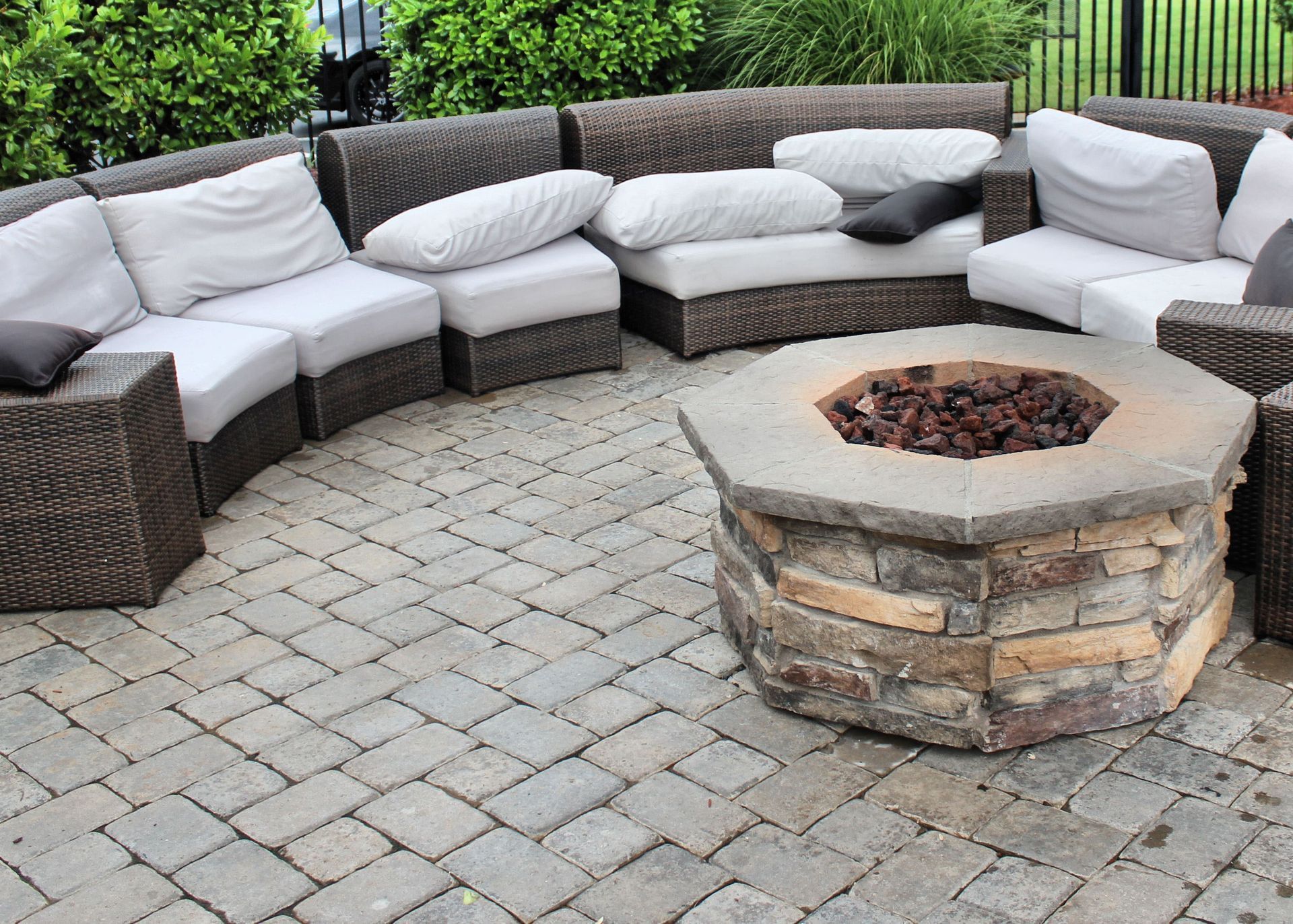
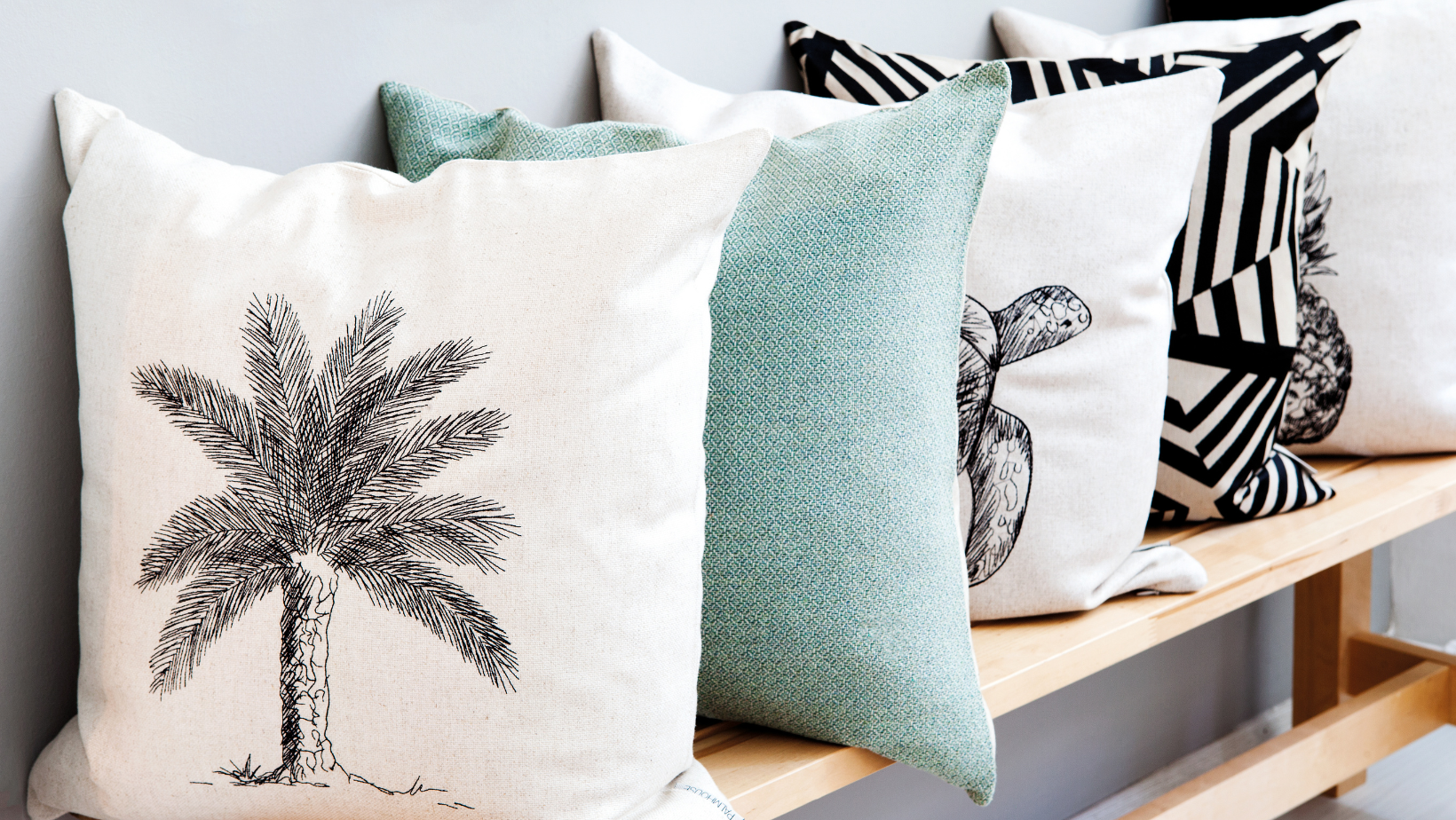
Cushions and accent pillows require diligent fabric care to maintain their comfort and resilience against mold. Regular professional vacuuming removes dry surface grit before it can grind into the textile fibers and cause premature wear. When dealing with tough stains, technicians spot-clean immediately using a fabric-safe cleaner, rubbing gently in a circular motion from the outside in to ensure fibers are not warped or stripped of color.
Brushing Intricate Wicker Weaves
Natural and synthetic wicker requires a careful cleaning approach due to its intricate, deeply layered weave structure. Technicians begin by using a soft brush attachment on a vacuum or a clean paintbrush to dislodge loose dust, pollen, and debris trapped deep within the woven layers. They then wipe down the exterior surfaces with a damp cloth and a mild soap solution, taking care not to saturate the material, which can cause sagging.
Navigating Extreme Seasonal Challenges
Recognizing the unique challenges that each changing season brings allows specialists to execute smart, timely storage plans, which represents a critical phase of proactive outdoor furniture maintenance. Winter moisture and freezing temperatures present the greatest threat, as trapped water can freeze inside hollow metal frames or wood pores, expanding and causing catastrophic structural splitting. Conversely, intense summer heat and unrelenting UV rays rapidly dry out plastics and fade protective fabric coatings.
Deploying Form-Fitting Protective Cover
Heavy-duty protective covers made from breathable, UV-resistant polyester or industrial vinyl serve as your primary line of defense when furniture must remain outdoors. High-quality covers feature specialized built-in ventilation mesh that allows trapped interior moisture to escape freely while preventing external rain from seeping in. Technicians secure all built-in straps and drawstrings tightly to ensure the covers remain anchored during heavy storms.
By prioritizing proactive outdoor furniture maintenance handled by qualified experts, you ensure your patio remains an inviting, beautiful extension of your home for years to come. If you are ready to elevate your outdoor experience with custom protective solutions, premium weather-resistant fabrics, or expert care advice tailored to your specific setup, connect today with the design and preservation specialists at Perfect Patio & Cushion Factory.



Share On: